
The Minimum Effective Training Dose for Muscle Preservation on GLP-1
The minimum training GLP-1 muscle preservation needs is small: about 4–8 hard sets per muscle group per week. Here’s the floor and why it works.

The minimum training GLP-1 muscle preservation needs is small: about 4–8 hard sets per muscle group per week. Here’s the floor and why it works.

On GLP-1, you’re doing fewer sets. That makes effort the only variable you actually control. Here’s why 2 hard sets beats 4 mediocre ones — and what training near failure means in practice.

Strength training on semaglutide is what turns weight loss into fat loss. The full GLP-1 framework: volume, effort, PPL structure, and the bad-week floor.

Training on GLP-1 nausea weeks isn’t push-through-or-quit. Run the floor: two short full-body sessions that preserve muscle even on your worst weeks.
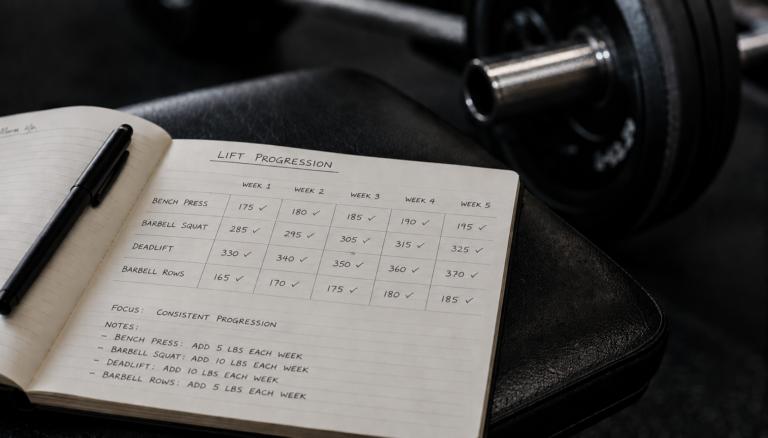
On GLP-1 in an active deficit, your lifts probably won’t go up. That’s not a failure. Here’s what progressive overload actually looks like when you’re losing weight — and the benchmarks that tell you your lean mass is safe.
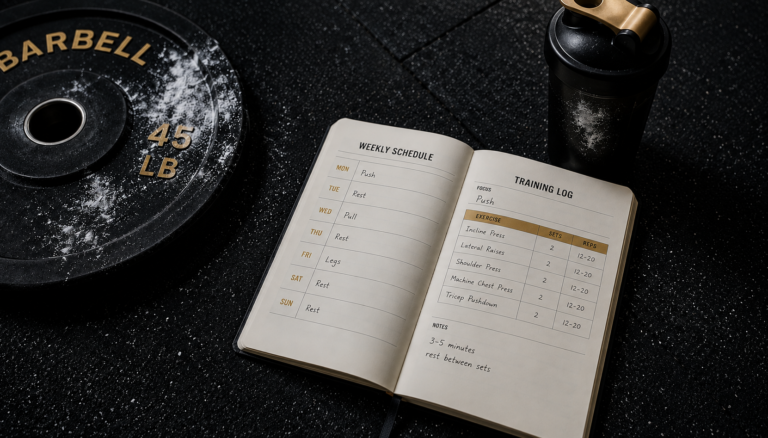
Push pull legs on semaglutide fits GLP-1 constraints better than any other split — short sessions, twice-a-week frequency, and a built-in fallback for bad weeks.
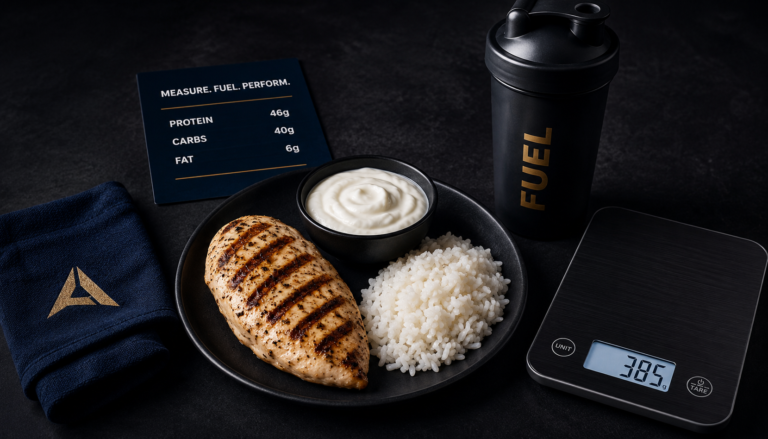
What to eat on semaglutide for muscle preservation isn’t a food list — it’s a framework. Here’s the protein-anchored, scheduled eating structure that protects lean mass while you lose fat.
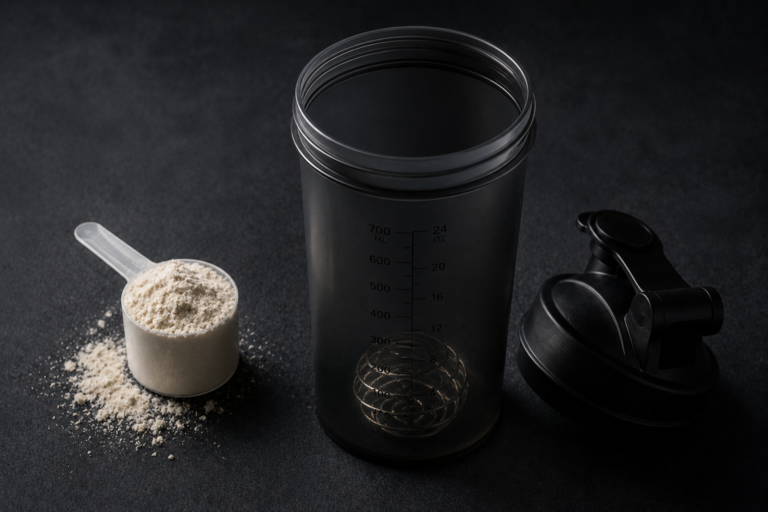
Protein shakes on semaglutide bypass the fullness signal that limits solid food — making them a clinical tool, not just a convenience. Here’s when and how to use them.
Pre- and post-workout nutrition on semaglutide is something you schedule, not feel. Here’s the protocol — protein, carbs, and timing — that works when your appetite is suppressed.
Semaglutide and keto are both trending. Carbs on semaglutide aren’t the enemy — eliminating them while you lift costs training performance. Here’s what carbohydrates actually do and when you need them.